How High Could a Kangaroo Jump on the Moon? A Kids’ Guide to Space Gravity and Animal Biology

How High Could a Kangaroo Jump on the Moon? A Kids' Guide to Space Gravity and Animal Biology Introduction: The Ultimate Space Safari Imagine looking up at the glowing white Moon in the night sky. Now, picture something completely wild: a fluffy, long-tailed Australian kangaroo bouncing across the lunar surface! It sounds like a scene from a sci-fi cartoon, but asking "How high could a kangaroo jump on the Moon?" is actually a fantastic way to learn about space gravity and animal biology. If we combined the super-powered legs of Earth's best jumper with the weak gravity of outer space, we would get some mind-blowing results. Get ready to blast off as we explore the incredible science of bouncing animals, invisible forces, and what would happen if a kangaroo became an astronaut! The Science Behind the Jump: Animal Biology Meets Space Gravity The Biology of a Bouncing Roo Before we send our kangaroo to space, we need to understand how they jump so well here on Earth. Kangaroos are the undisputed jumping champions of the animal kingdom. A large Red Kangaroo can jump up to 10 feet (3 meters) high in the air and leap forward 25 feet (almost 8 meters) in a single bound! How do they do it? It all comes down to amazing animal biology: Rubber Band Tendons: Kangaroos have giant Achilles tendons in their back legs. Think of these tendons like thick, stretchy rubber bands. When a kangaroo lands, the tendons stretch out, storing up energy (scientists call this elastic potential energy). When they push off the ground, the "rubber band" snaps back, launching them into the air! Giant Feet: The word macropod (the family kangaroos belong to) literally means "big foot." Their long feet give them a massive surface area to push against the dirt. A Counter-Balance Tail: Have you noticed a kangaroo's thick, muscular tail? While jumping, they use it like a balancing pole to keep them from tumbling forward. What is Space Gravity? To figure out how our kangaroo would perform on the Moon, we have to talk about gravity. Gravity is the invisible pulling force that keeps our feet (and kangaroo paws) firmly on the ground. Because Earth is huge and heavy, it has a strong gravitational pull. But the Moon is much smaller and lighter than Earth. In fact, Moon gravity is only about one-sixth (1/6th) as strong as Earth's gravity. That means if you weigh 60 pounds on Earth, you would only weigh 10 pounds on the Moon! Because the pulling force is so weak, anything that jumps goes much higher and takes longer to come back down. Doing the Space Math: The Lunar Leap Now, let's put the biology and the physics together. If the Moon pulls things down six times less than Earth does, a jumping animal could theoretically jump six times higher. Let's do the math for our astronaut kangaroo: Earth High Jump: 10 feet. Moon High Jump: 10 feet x 6 = 60 feet (18 meters)! A kangaroo jumping on the Moon could launch itself 60 feet straight up into the air. That is as tall as a five-story building! What about jumping forward? On Earth, a kangaroo can leap 25 feet forward. On the Moon, one single hop would send the kangaroo flying 150 feet (45 meters) across the dusty gray surface. That is half the length of a football field in just one bounce! Wait... What About the Spacesuit? As smart scientists, we have to think about real-life problems. There is no breathable air on the Moon, and the temperatures can be boiling hot or freezing cold. Our kangaroo friend couldn't just hop around in its fur; it would need a custom-built kangaroo spacesuit! Spacesuits are very heavy and bulky. Astronauts on the Apollo missions found it hard to bend their knees in their suits. A heavy spacesuit would weigh the kangaroo down a little bit, meaning the jump might not be exactly 60 feet high. However, because the Moon's gravity is so weak, even a kangaroo in a heavy, puffy spacesuit would still easily out-jump any creature on Earth. Conclusion: A Giant Leap for Kangaroo-Kind So, how high could a kangaroo jump on the Moon? Thanks to the perfect mix of powerful animal biology and super-low space gravity, a kangaroo could leap over a five-story building with a single bounce! While we probably won't be sending kangaroos to the Moon anytime soon, using our imagination to combine biology and space science helps us understand how the universe works. The next time you see a kangaroo at the zoo, or look up at the Moon at night, remember the invisible forces of gravity and the amazing rubber-band legs that make such a massive leap possible. Science is all about asking fun questions—and sometimes, the answers are truly out of this world! biological

How High Could a Kangaroo Jump on the Moon? A Kids’ Guide to Space Gravity and Animal Biology

Introduction: The Ultimate Space Safari

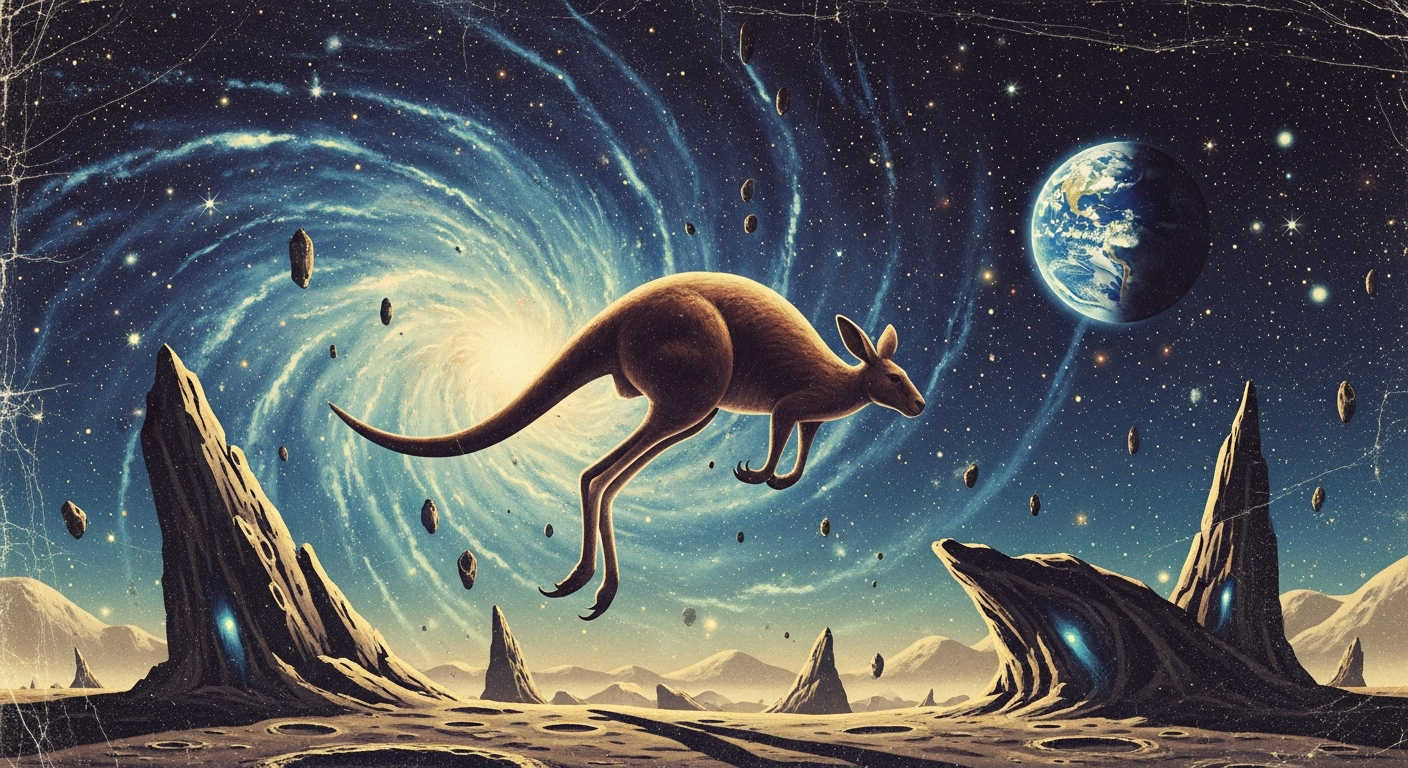
Imagine looking up at the glowing white Moon in the night sky. Now, picture something completely wild: a fluffy, long-tailed Australian kangaroo bouncing across the lunar surface! It sounds like a scene from a sci-fi cartoon, but asking “How high could a kangaroo jump on the Moon?” is actually a fantastic way to learn about space gravity and animal biology.

If we combined the super-powered legs of Earth’s best jumper with the weak gravity of outer space, we would get some mind-blowing results. Get ready to blast off as we explore the incredible science of bouncing animals, invisible forces, and what would happen if a kangaroo became an astronaut!

The Science Behind the Jump: Animal Biology Meets Space Gravity

The Biology of a Bouncing Roo

Before we send our kangaroo to space, we need to understand how they jump so well here on Earth. Kangaroos are the undisputed jumping champions of the animal kingdom. A large Red Kangaroo can jump up to 10 feet (3 meters) high in the air and leap forward 25 feet (almost 8 meters) in a single bound!

How do they do it? It all comes down to amazing animal biology:

  • Rubber Band Tendons: Kangaroos have giant Achilles tendons in their back legs. Think of these tendons like thick, stretchy rubber bands. When a kangaroo lands, the tendons stretch out, storing up energy (scientists call this elastic potential energy). When they push off the ground, the “rubber band” snaps back, launching them into the air!
  • Giant Feet: The word macropod (the family kangaroos belong to) literally means “big foot.” Their long feet give them a massive surface area to push against the dirt.
  • A Counter-Balance Tail: Have you noticed a kangaroo’s thick, muscular tail? While jumping, they use it like a balancing pole to keep them from tumbling forward.

What is Space Gravity?

To figure out how our kangaroo would perform on the Moon, we have to talk about gravity. Gravity is the invisible pulling force that keeps our feet (and kangaroo paws) firmly on the ground.

Because Earth is huge and heavy, it has a strong gravitational pull. But the Moon is much smaller and lighter than Earth. In fact, Moon gravity is only about one-sixth (1/6th) as strong as Earth’s gravity. That means if you weigh 60 pounds on Earth, you would only weigh 10 pounds on the Moon! Because the pulling force is so weak, anything that jumps goes much higher and takes longer to come back down.

Doing the Space Math: The Lunar Leap

Now, let’s put the biology and the physics together. If the Moon pulls things down six times less than Earth does, a jumping animal could theoretically jump six times higher.

Let’s do the math for our astronaut kangaroo:

  • Earth High Jump: 10 feet.
  • Moon High Jump: 10 feet x 6 = 60 feet (18 meters)!

A kangaroo jumping on the Moon could launch itself 60 feet straight up into the air. That is as tall as a five-story building!

What about jumping forward? On Earth, a kangaroo can leap 25 feet forward. On the Moon, one single hop would send the kangaroo flying 150 feet (45 meters) across the dusty gray surface. That is half the length of a football field in just one bounce!

Wait… What About the Spacesuit?

As smart scientists, we have to think about real-life problems. There is no breathable air on the Moon, and the temperatures can be boiling hot or freezing cold. Our kangaroo friend couldn’t just hop around in its fur; it would need a custom-built kangaroo spacesuit!

Spacesuits are very heavy and bulky. Astronauts on the Apollo missions found it hard to bend their knees in their suits. A heavy spacesuit would weigh the kangaroo down a little bit, meaning the jump might not be exactly 60 feet high. However, because the Moon’s gravity is so weak, even a kangaroo in a heavy, puffy spacesuit would still easily out-jump any creature on Earth.

Conclusion: A Giant Leap for Kangaroo-Kind

So, how high could a kangaroo jump on the Moon? Thanks to the perfect mix of powerful animal biology and super-low space gravity, a kangaroo could leap over a five-story building with a single bounce!

While we probably won’t be sending kangaroos to the Moon anytime soon, using our imagination to combine biology and space science helps us understand how the universe works. The next time you see a kangaroo at the zoo, or look up at the Moon at night, remember the invisible forces of gravity and the amazing rubber-band legs that make such a massive leap possible. Science is all about asking fun questions—and sometimes, the answers are truly out of this world!


Reader Comments

Copied title and URL