Can Humans Hibernate Like Bears for Space Travel? The Ultimate Space Biology Mystery Explained for Kids

Can Humans Hibernate Like Bears for Space Travel? The Ultimate Space Biology Mystery Explained for Kids Introduction: The Long Journey to the Stars Imagine packing your bags for a road trip that takes seven to nine months to reach your destination. You can’t stop for snacks, you can’t roll down the windows, and you have to pack all the air, water, and food you will need for the entire journey. This is exactly the challenge astronauts face when planning a mission to Mars! Because space travel takes so much time and requires incredibly heavy supplies, scientists have been dreaming up a science-fiction solution to a real-world problem: What if astronauts could simply go to sleep at the launchpad and wake up when they arrive? This idea has led scientists to look at one of nature's greatest sleepers—the bear. The question of whether human hibernation in space travel is possible has become the ultimate space biology mystery. Let's dive into the fascinating science behind deep sleep, animal survival, and the future of human space exploration! Detailed Scientific Explanation: The Science of Deep Sleep How Do Bears Hibernate? (The Magic of Torpor) When winter arrives and food becomes scarce, bears don't just take a long nap. They enter a highly advanced survival state called torpor. During torpor, a bear's body goes into extreme energy-saving mode. Their body temperature drops slightly, their breathing slows down, and their heart rate drops from a normal 50 beats per minute to as low as 8 beats per minute! During this amazing natural process, bears do not eat, drink, or use the bathroom for months. Their bodies survive by burning stored fat for energy. Even more amazing, when bears wake up in the spring, their muscles and bones are still strong. This is a biological superpower that human scientists are desperate to understand. Can Humans Hibernate Naturally? The short answer is: No, humans do not naturally hibernate. Our bodies are designed to stay at a warm, constant temperature of about 98.6°F (37°C). If our body temperature drops too low, we experience hypothermia, which is very dangerous. However, doctors already use a tiny version of artificial hibernation in hospitals today. It is called Targeted Temperature Management (or therapeutic hypothermia). If someone suffers a severe brain injury, doctors will sometimes cool the patient's body down for a few days. This slows down the body's "engine" (metabolism) and gives the brain time to heal without needing as much oxygen. But cooling a human down for a few days is very different from sleeping all the way to Mars! Why Space Agencies Want Astronauts to Sleep Major space agencies like NASA and the European Space Agency (ESA) are actively researching synthetic torpor (artificial hibernation) for astronauts. Why? Because sleeping astronauts solve many major space travel problems: Less Food and Water: If astronauts are hibernating, their metabolism drops. They won't need to eat three meals a day, which saves thousands of pounds of cargo weight. Smaller Spaceships: Awake astronauts need a lot of room to exercise, work, and relax. Sleeping astronauts just need a small, safe pod, meaning we can build lighter and faster rockets. Radiation Protection: Space is filled with dangerous cosmic radiation. If astronauts are sleeping in small pods, scientists can surround those specific pods with thick water or radiation shields to keep them incredibly safe. Mental Health: Being locked in a spaceship for months can be very boring and stressful. Hibernating skips the boring part entirely! The Great Space Biology Challenges If we want humans to hibernate like bears, we have to solve a few massive biological mysteries first. When humans stay in bed for a long time, our muscles shrink and our bones get weak. It's a rule of the human body: Use it or lose it! Bears somehow pause this muscle loss during hibernation, but human biology doesn't know how to do that yet. Scientists are studying animals like bears, ground squirrels, and even tiny lemurs to find the special "hibernation genes." If we can figure out how animals protect their muscles and organs during a long winter freeze, we might be able to create a special medicine that triggers the exact same response in human astronauts. Conclusion: The Future of Space Travel Will astronauts one day climb into cozy, high-tech sleeping pods before blasting off to Mars, Jupiter, or even distant star systems? While we can't do it just yet, human hibernation for space travel is no longer just a crazy idea from movies. It is a real, serious scientific goal. Space biologists are working hard every day to unlock the secrets of animal hibernation to make human spaceflight safer, cheaper, and faster. The ultimate space biology mystery is slowly being solved. Who knows? By the time you are old enough to be an astronaut, you might just be asked to put on your pajamas, close your eyes, and wake up on a whole new planet! biological

Can Humans Hibernate Like Bears for Space Travel? The Ultimate Space Biology Mystery Explained for Kids

Introduction: The Long Journey to the Stars

Imagine packing your bags for a road trip that takes seven to nine months to reach your destination. You can’t stop for snacks, you can’t roll down the windows, and you have to pack all the air, water, and food you will need for the entire journey. This is exactly the challenge astronauts face when planning a mission to Mars!

Because space travel takes so much time and requires incredibly heavy supplies, scientists have been dreaming up a science-fiction solution to a real-world problem: What if astronauts could simply go to sleep at the launchpad and wake up when they arrive?

This idea has led scientists to look at one of nature’s greatest sleepers—the bear. The question of whether human hibernation in space travel is possible has become the ultimate space biology mystery. Let’s dive into the fascinating science behind deep sleep, animal survival, and the future of human space exploration!

Detailed Scientific Explanation: The Science of Deep Sleep

How Do Bears Hibernate? (The Magic of Torpor)

When winter arrives and food becomes scarce, bears don’t just take a long nap. They enter a highly advanced survival state called torpor. During torpor, a bear’s body goes into extreme energy-saving mode. Their body temperature drops slightly, their breathing slows down, and their heart rate drops from a normal 50 beats per minute to as low as 8 beats per minute!

During this amazing natural process, bears do not eat, drink, or use the bathroom for months. Their bodies survive by burning stored fat for energy. Even more amazing, when bears wake up in the spring, their muscles and bones are still strong. This is a biological superpower that human scientists are desperate to understand.

Can Humans Hibernate Naturally?

The short answer is: No, humans do not naturally hibernate. Our bodies are designed to stay at a warm, constant temperature of about 98.6°F (37°C). If our body temperature drops too low, we experience hypothermia, which is very dangerous.

However, doctors already use a tiny version of artificial hibernation in hospitals today. It is called Targeted Temperature Management (or therapeutic hypothermia). If someone suffers a severe brain injury, doctors will sometimes cool the patient’s body down for a few days. This slows down the body’s “engine” (metabolism) and gives the brain time to heal without needing as much oxygen. But cooling a human down for a few days is very different from sleeping all the way to Mars!

Why Space Agencies Want Astronauts to Sleep

Major space agencies like NASA and the European Space Agency (ESA) are actively researching synthetic torpor (artificial hibernation) for astronauts. Why? Because sleeping astronauts solve many major space travel problems:

  • Less Food and Water: If astronauts are hibernating, their metabolism drops. They won’t need to eat three meals a day, which saves thousands of pounds of cargo weight.
  • Smaller Spaceships: Awake astronauts need a lot of room to exercise, work, and relax. Sleeping astronauts just need a small, safe pod, meaning we can build lighter and faster rockets.
  • Radiation Protection: Space is filled with dangerous cosmic radiation. If astronauts are sleeping in small pods, scientists can surround those specific pods with thick water or radiation shields to keep them incredibly safe.
  • Mental Health: Being locked in a spaceship for months can be very boring and stressful. Hibernating skips the boring part entirely!

The Great Space Biology Challenges

If we want humans to hibernate like bears, we have to solve a few massive biological mysteries first. When humans stay in bed for a long time, our muscles shrink and our bones get weak. It’s a rule of the human body: Use it or lose it! Bears somehow pause this muscle loss during hibernation, but human biology doesn’t know how to do that yet.

Scientists are studying animals like bears, ground squirrels, and even tiny lemurs to find the special “hibernation genes.” If we can figure out how animals protect their muscles and organs during a long winter freeze, we might be able to create a special medicine that triggers the exact same response in human astronauts.

Conclusion: The Future of Space Travel

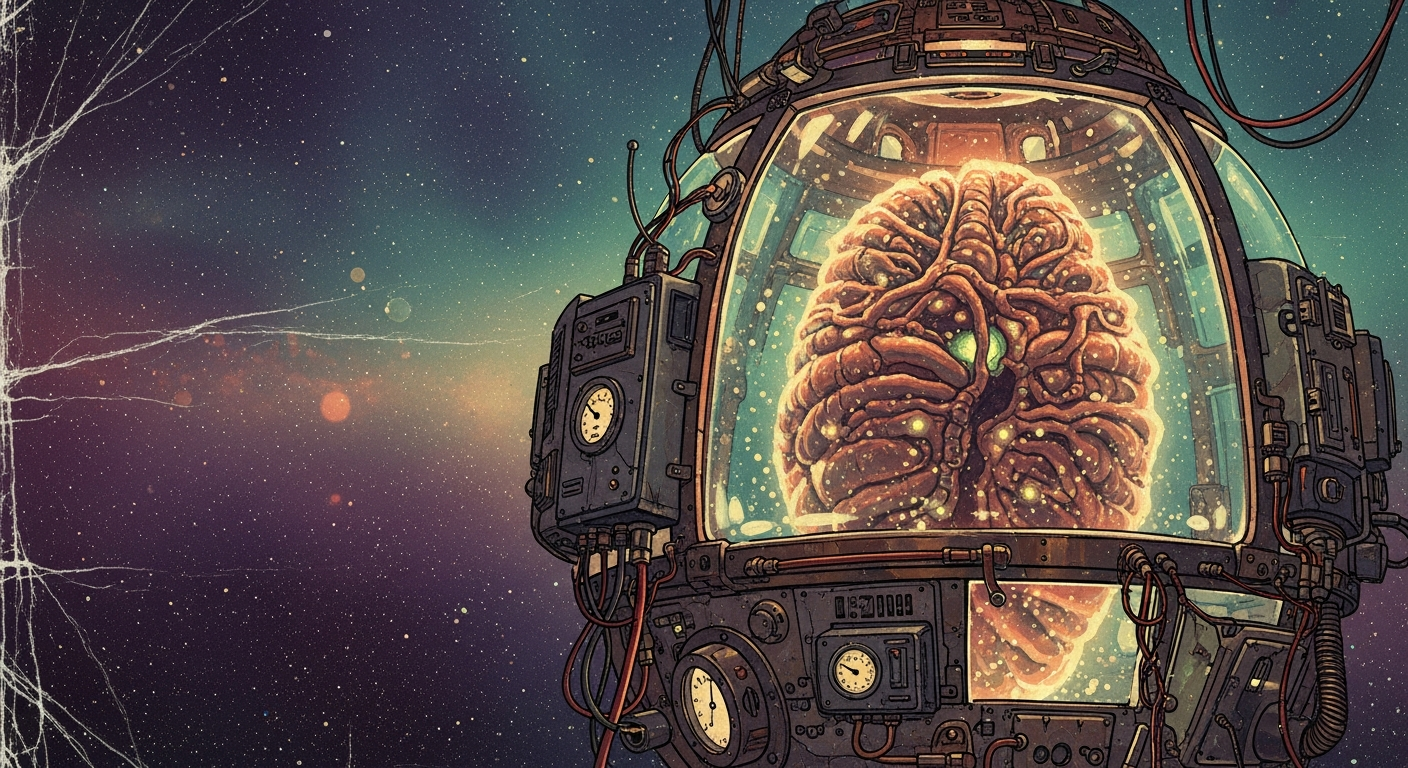
Will astronauts one day climb into cozy, high-tech sleeping pods before blasting off to Mars, Jupiter, or even distant star systems? While we can’t do it just yet, human hibernation for space travel is no longer just a crazy idea from movies. It is a real, serious scientific goal.

Space biologists are working hard every day to unlock the secrets of animal hibernation to make human spaceflight safer, cheaper, and faster. The ultimate space biology mystery is slowly being solved.

Who knows? By the time you are old enough to be an astronaut, you might just be asked to put on your pajamas, close your eyes, and wake up on a whole new planet!


Reader Comments

Copied title and URL