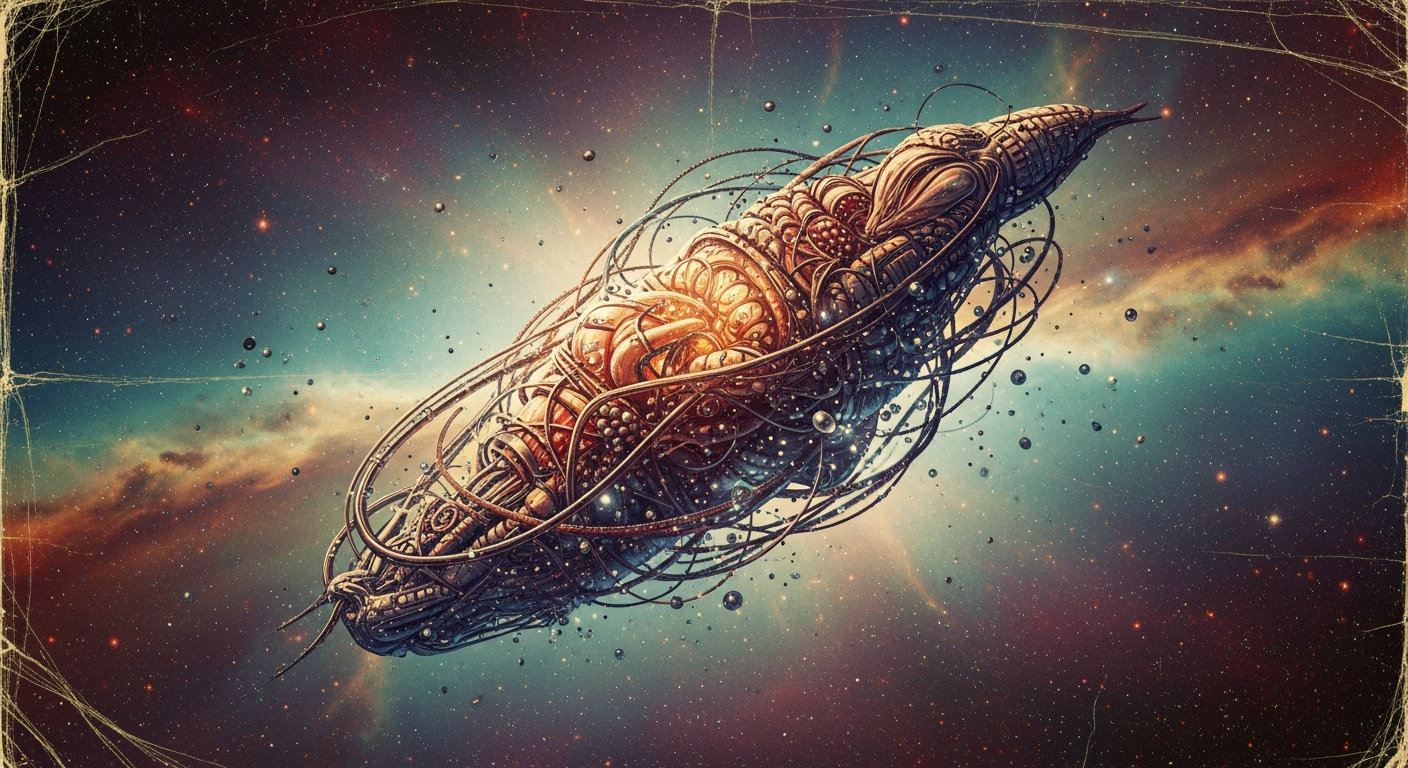
How Do Butterflies Remember Being Caterpillars? The Biological Mystery of Metamorphosis

How Do Butterflies Remember Being Caterpillars? The Biological Mystery of Metamorphosis Introduction: The Mystery of the Flying Goo Have you ever watched a chubby caterpillar munching on a leaf and wondered what it is thinking? If you have, you might have also asked a much bigger question: when that caterpillar wraps itself in a chrysalis and transforms into a beautiful butterfly, does it remember its days crawling on the ground? Does the butterfly know it used to be a caterpillar? For a long time, this was a massive biological mystery. To understand why it's such a puzzle, you have to understand what happens during metamorphosis—the incredible process where a bug changes its entire body. When a caterpillar goes inside its chrysalis, it doesn't just grow wings. It actually digests itself using special enzymes, turning into a giant puddle of "caterpillar soup"! If its whole body melts down, how could its memories possibly survive? Let's dive into the fascinating science behind how butterflies hold onto their past. The Science of Metamorphosis: From Bug to Soup To solve the mystery of butterfly memory, we first need to look closely at the magical, and slightly gross, process of metamorphosis. The Secret Blueprints: Imaginal Discs When a caterpillar turns into "soup" inside the chrysalis, it isn't completely destroyed. Hidden inside that gooey liquid are tiny, highly organized groups of cells called imaginal discs. You can think of these discs as nature's secret blueprints. Even before the caterpillar was born, it had these discs inside its body waiting for the right moment. While the rest of the caterpillar melts away, the imaginal discs use the "soup" as food and building blocks to grow the body parts of the adult butterfly. There is a disc for the wings, a disc for the eyes, and a disc for the antennae. But what about the brain? Does the brain melt too? The Memory Test: Proving Butterflies Remember Before scientists could figure out how a butterfly remembers, they had to prove if it remembers. In a famous experiment, scientists at Georgetown University decided to give caterpillars a memory test. The researchers exposed caterpillars to a very specific, stinky smell—a chemical that smells a bit like nail polish remover. Every time the caterpillars smelled it, they were given a very gentle, harmless electric zap. Very quickly, the caterpillars learned to hate that smell and would crawl away from it to avoid the zap. Then, the scientists waited for the caterpillars to go through metamorphosis. Weeks later, out came beautiful adult butterflies. The scientists placed the butterflies in a container with two different smells: a normal smell, and the stinky nail polish smell. Amazingly, the butterflies flew away from the stinky smell! Even though they had melted into soup and grown wings, they remembered what they had learned as caterpillars. How Does the Brain Survive the Melt? So, the big question remains: if the body turns to liquid, where do the memories live? The answer lies in how clever nature is when it comes to protecting the brain. Renovating the Brain's "Hard Drive" It turns out that the caterpillar's nervous system—its brain and the nerve cords that run through its body—does not melt completely into soup. Instead of tearing the house down to the ground, the insect's body does an extreme home renovation. Inside the insect's brain, there are special structures called mushroom bodies because they look like little mushrooms. These mushroom bodies act exactly like the hard drive of a computer; they are the exact place where the insect stores memories, learning, and smells. During metamorphosis, while the rest of the brain is getting rewired so the insect can learn how to fly and drink nectar, the core of these mushroom bodies is kept completely safe. The nerve connections holding the memories of the caterpillar days are protected and stitched directly into the new adult butterfly brain. Because of this brilliant biological trick, the software of the brain survives the upgrade! Conclusion: The Unbroken Thread of Life Nature never ceases to amaze us. The fact that a butterfly can remember being a caterpillar changes how we look at these delicate creatures. A butterfly isn't a brand-new animal that just magically appears from a shell. It is the exact same individual, carrying the memories of its childhood, simply wearing a spectacular new flying suit. The next time you see a butterfly fluttering past your garden, remember the incredible biological journey it took to get there. It survived turning into liquid, completely rebuilt its own brain, and still remembers the lessons it learned when it was just a little crawling bug. The mystery of metamorphosis is proof that no matter how much you change on the outside, the core of who you are—and what you remember—stays with you. biological

How Do Butterflies Remember Being Caterpillars? The Biological Mystery of Metamorphosis

Introduction: The Mystery of the Flying Goo

Have you ever watched a chubby caterpillar munching on a leaf and wondered what it is thinking? If you have, you might have also asked a much bigger question: when that caterpillar wraps itself in a chrysalis and transforms into a beautiful butterfly, does it remember its days crawling on the ground? Does the butterfly know it used to be a caterpillar?

For a long time, this was a massive biological mystery. To understand why it’s such a puzzle, you have to understand what happens during metamorphosis—the incredible process where a bug changes its entire body. When a caterpillar goes inside its chrysalis, it doesn’t just grow wings. It actually digests itself using special enzymes, turning into a giant puddle of “caterpillar soup”! If its whole body melts down, how could its memories possibly survive? Let’s dive into the fascinating science behind how butterflies hold onto their past.

The Science of Metamorphosis: From Bug to Soup

To solve the mystery of butterfly memory, we first need to look closely at the magical, and slightly gross, process of metamorphosis.

The Secret Blueprints: Imaginal Discs

When a caterpillar turns into “soup” inside the chrysalis, it isn’t completely destroyed. Hidden inside that gooey liquid are tiny, highly organized groups of cells called imaginal discs. You can think of these discs as nature’s secret blueprints. Even before the caterpillar was born, it had these discs inside its body waiting for the right moment.

While the rest of the caterpillar melts away, the imaginal discs use the “soup” as food and building blocks to grow the body parts of the adult butterfly. There is a disc for the wings, a disc for the eyes, and a disc for the antennae. But what about the brain? Does the brain melt too?

The Memory Test: Proving Butterflies Remember

Before scientists could figure out how a butterfly remembers, they had to prove if it remembers. In a famous experiment, scientists at Georgetown University decided to give caterpillars a memory test.

The researchers exposed caterpillars to a very specific, stinky smell—a chemical that smells a bit like nail polish remover. Every time the caterpillars smelled it, they were given a very gentle, harmless electric zap. Very quickly, the caterpillars learned to hate that smell and would crawl away from it to avoid the zap.

Then, the scientists waited for the caterpillars to go through metamorphosis. Weeks later, out came beautiful adult butterflies. The scientists placed the butterflies in a container with two different smells: a normal smell, and the stinky nail polish smell. Amazingly, the butterflies flew away from the stinky smell! Even though they had melted into soup and grown wings, they remembered what they had learned as caterpillars.

How Does the Brain Survive the Melt?

So, the big question remains: if the body turns to liquid, where do the memories live? The answer lies in how clever nature is when it comes to protecting the brain.

Renovating the Brain’s “Hard Drive”

It turns out that the caterpillar’s nervous system—its brain and the nerve cords that run through its body—does not melt completely into soup. Instead of tearing the house down to the ground, the insect’s body does an extreme home renovation.

Inside the insect’s brain, there are special structures called mushroom bodies because they look like little mushrooms. These mushroom bodies act exactly like the hard drive of a computer; they are the exact place where the insect stores memories, learning, and smells.

During metamorphosis, while the rest of the brain is getting rewired so the insect can learn how to fly and drink nectar, the core of these mushroom bodies is kept completely safe. The nerve connections holding the memories of the caterpillar days are protected and stitched directly into the new adult butterfly brain. Because of this brilliant biological trick, the software of the brain survives the upgrade!

Conclusion: The Unbroken Thread of Life

Nature never ceases to amaze us. The fact that a butterfly can remember being a caterpillar changes how we look at these delicate creatures. A butterfly isn’t a brand-new animal that just magically appears from a shell. It is the exact same individual, carrying the memories of its childhood, simply wearing a spectacular new flying suit.

The next time you see a butterfly fluttering past your garden, remember the incredible biological journey it took to get there. It survived turning into liquid, completely rebuilt its own brain, and still remembers the lessons it learned when it was just a little crawling bug. The mystery of metamorphosis is proof that no matter how much you change on the outside, the core of who you are—and what you remember—stays with you.


Reader Comments

Copied title and URL