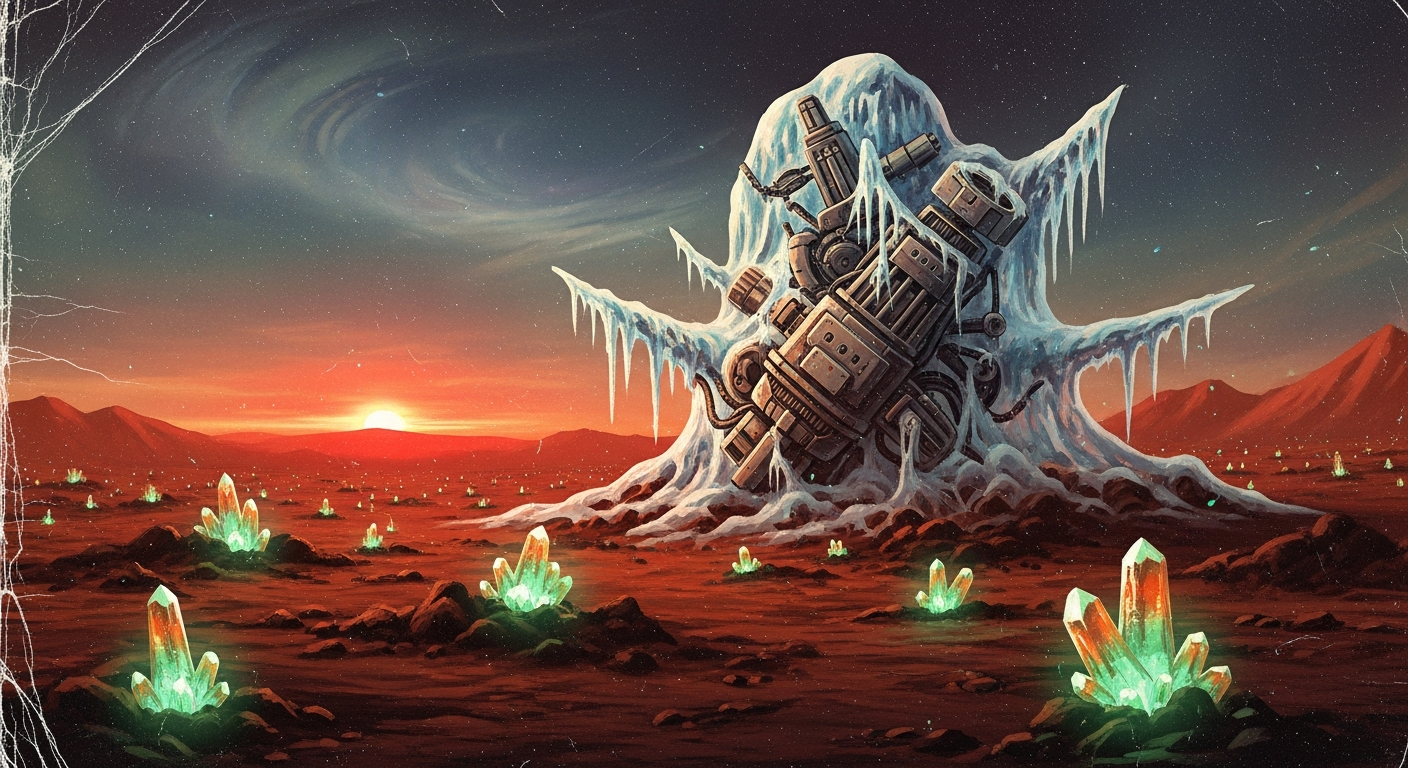
How the Freezing Superpowers of Wood Frogs Could Help Astronauts Survive on Mars

How the Freezing Superpowers of Wood Frogs Could Help Astronauts Survive on Mars Introduction: A Tiny Hero for a Giant Leap When you think of the greatest challenges of traveling to Mars, you probably picture giant rockets, spacesuits, and advanced computers. But what if one of the biggest secrets to surviving the long journey to the Red Planet is hiding right now in the freezing forests of North America? Meet the wood frog (Rana sylvatica), a tiny amphibian with a real-life superpower. A trip to Mars takes about seven to nine months. That is a long time for astronauts to be stuck in a small spaceship! They will need huge amounts of food, water, and oxygen. Plus, they will have to deal with boredom, stress, and dangerous space radiation. But scientists are looking at the amazing wood frog for a solution. By studying how this incredible frog freezes almost solid in the winter and thaws out perfectly healthy in the spring, scientists hope to put human astronauts into a deep sleep—or suspended animation—for the journey to Mars. Detailed Scientific Explanation: The Magic of Nature's Antifreeze What Happens When a Wood Frog Freezes? If a human gets too cold, they get frostbite, which damages their body. But the wood frog is different. When winter comes and the temperature drops below freezing, the wood frog doesn't try to hide in a warm place. Instead, it lets the cold take over. Its heart completely stops beating. It stops breathing. Its brain stops working. Up to 65% of the water inside the frog's body turns into solid ice. If you picked one up, it would feel like a frog-shaped ice cube! To any doctor, the frog would look completely dead. But when the warm spring sun arrives, the frog slowly thaws out. Its heart starts beating again, it takes a breath, and it hops away as if nothing ever happened. How is this possible? The Secret Ingredient: Sugar! To understand the frog's superpower, we have to think about what happens when water freezes. Imagine putting a glass bottle full of water into your freezer. As the water turns into ice, it expands, and the glass bottle shatters. Normally, this is exactly what happens to animal cells. Ice crystals form like sharp tiny needles, expanding and popping the cells like water balloons. The wood frog survives because it makes its very own biological antifreeze called a cryoprotectant. The moment ice starts touching the frog's skin, its liver starts pumping massive amounts of a sugar called glucose directly into its cells. This thick, sugary syrup prevents the water inside the cells from freezing. Instead, the ice is forced to form strictly outside the cells. The cells shrink a little bit, but they never pop! Once the temperature rises, the ice melts, the sugar is stored away, and the frog wakes up. Why Astronauts Need to "Sleep" to Mars So, what does a freezing frog have to do with space travel? Everything! Keeping a crew of astronauts alive for a nine-month flight to Mars is incredibly difficult. They have to eat three meals a day, drink water, and exercise constantly so their bones don't get weak in zero gravity. The spaceship has to carry tons of extra supplies, which makes the rocket heavier and much more expensive to launch. If scientists can figure out a way to safely put astronauts to sleep, just like the wood frog in winter, it would solve almost all of these problems. This concept is called synthetic torpor or hibernation. How Frog Science Can Create "Suspended Animation" If we can copy the wood frog's superpowers, space travel will change forever. Here is how studying cryoprotectants and animal hibernation helps future astronauts: Saving Resources: If astronauts are in a deep sleep, their metabolism (the engine of their body) slows way down. They wouldn't need to eat or drink for months, saving thousands of pounds of cargo space. Protecting the Mind: Sitting in a tiny tin can for nine months can make people grumpy and stressed. If they sleep through the journey, they will wake up on Mars feeling refreshed and ready to explore. Shielding from Radiation: Space is full of dangerous radiation. Interestingly, scientists have found that cells in a deep hibernation state are much better at resisting radiation damage. Slowing down the cells might actually act as a natural shield against the harsh environment of space! While we can't freeze humans totally solid like the wood frog just yet, medical researchers are working on special medicines that mimic the frog's sugary antifreeze to safely cool human bodies down and slow their systems for long space flights. Conclusion: Nature's Blueprint for the Future Who would have thought that a tiny amphibian sleeping under the snowy leaves of a forest could hold the key to human space exploration? The freezing superpowers of the wood frog prove that nature is the ultimate scientist. By studying the brilliant ways animals adapt to extreme environments on Earth, we can learn how to survive the extreme environments of outer space. One day, when the first human astronauts open their eyes and look out the window to see the red dirt of Mars, they might just have a frozen little frog to thank for their safe arrival. Science shows us that whether you are looking deep into the woods or far out into the galaxy, everything is connected! biological

How the Freezing Superpowers of Wood Frogs Could Help Astronauts Survive on Mars

Introduction: A Tiny Hero for a Giant Leap

When you think of the greatest challenges of traveling to Mars, you probably picture giant rockets, spacesuits, and advanced computers. But what if one of the biggest secrets to surviving the long journey to the Red Planet is hiding right now in the freezing forests of North America? Meet the wood frog (Rana sylvatica), a tiny amphibian with a real-life superpower.

A trip to Mars takes about seven to nine months. That is a long time for astronauts to be stuck in a small spaceship! They will need huge amounts of food, water, and oxygen. Plus, they will have to deal with boredom, stress, and dangerous space radiation. But scientists are looking at the amazing wood frog for a solution. By studying how this incredible frog freezes almost solid in the winter and thaws out perfectly healthy in the spring, scientists hope to put human astronauts into a deep sleep—or suspended animation—for the journey to Mars.

Detailed Scientific Explanation: The Magic of Nature’s Antifreeze

What Happens When a Wood Frog Freezes?

If a human gets too cold, they get frostbite, which damages their body. But the wood frog is different. When winter comes and the temperature drops below freezing, the wood frog doesn’t try to hide in a warm place. Instead, it lets the cold take over. Its heart completely stops beating. It stops breathing. Its brain stops working. Up to 65% of the water inside the frog’s body turns into solid ice. If you picked one up, it would feel like a frog-shaped ice cube!

To any doctor, the frog would look completely dead. But when the warm spring sun arrives, the frog slowly thaws out. Its heart starts beating again, it takes a breath, and it hops away as if nothing ever happened. How is this possible?

The Secret Ingredient: Sugar!

To understand the frog’s superpower, we have to think about what happens when water freezes. Imagine putting a glass bottle full of water into your freezer. As the water turns into ice, it expands, and the glass bottle shatters. Normally, this is exactly what happens to animal cells. Ice crystals form like sharp tiny needles, expanding and popping the cells like water balloons.

The wood frog survives because it makes its very own biological antifreeze called a cryoprotectant. The moment ice starts touching the frog’s skin, its liver starts pumping massive amounts of a sugar called glucose directly into its cells. This thick, sugary syrup prevents the water inside the cells from freezing. Instead, the ice is forced to form strictly outside the cells. The cells shrink a little bit, but they never pop! Once the temperature rises, the ice melts, the sugar is stored away, and the frog wakes up.

Why Astronauts Need to “Sleep” to Mars

So, what does a freezing frog have to do with space travel? Everything! Keeping a crew of astronauts alive for a nine-month flight to Mars is incredibly difficult. They have to eat three meals a day, drink water, and exercise constantly so their bones don’t get weak in zero gravity. The spaceship has to carry tons of extra supplies, which makes the rocket heavier and much more expensive to launch.

If scientists can figure out a way to safely put astronauts to sleep, just like the wood frog in winter, it would solve almost all of these problems. This concept is called synthetic torpor or hibernation.

How Frog Science Can Create “Suspended Animation”

If we can copy the wood frog’s superpowers, space travel will change forever. Here is how studying cryoprotectants and animal hibernation helps future astronauts:

  • Saving Resources: If astronauts are in a deep sleep, their metabolism (the engine of their body) slows way down. They wouldn’t need to eat or drink for months, saving thousands of pounds of cargo space.
  • Protecting the Mind: Sitting in a tiny tin can for nine months can make people grumpy and stressed. If they sleep through the journey, they will wake up on Mars feeling refreshed and ready to explore.
  • Shielding from Radiation: Space is full of dangerous radiation. Interestingly, scientists have found that cells in a deep hibernation state are much better at resisting radiation damage. Slowing down the cells might actually act as a natural shield against the harsh environment of space!

While we can’t freeze humans totally solid like the wood frog just yet, medical researchers are working on special medicines that mimic the frog’s sugary antifreeze to safely cool human bodies down and slow their systems for long space flights.

Conclusion: Nature’s Blueprint for the Future

Who would have thought that a tiny amphibian sleeping under the snowy leaves of a forest could hold the key to human space exploration? The freezing superpowers of the wood frog prove that nature is the ultimate scientist. By studying the brilliant ways animals adapt to extreme environments on Earth, we can learn how to survive the extreme environments of outer space.

One day, when the first human astronauts open their eyes and look out the window to see the red dirt of Mars, they might just have a frozen little frog to thank for their safe arrival. Science shows us that whether you are looking deep into the woods or far out into the galaxy, everything is connected!


Reader Comments

タイトルとURLをコピーしました