The Greenland Shark Enigma: How This Deep-Sea Predator Lives for Over 400 Years

The Greenland Shark Enigma: How This Deep-Sea Predator Lives for Over 400 Years Introduction: Meeting the World's Longest-Living Vertebrate Beneath the freezing, lightless waters of the Arctic and North Atlantic Oceans lurks a creature that defies the standard biological limits of aging. The Greenland shark (Somniosus microcephalus) is a massive, slow-moving deep-sea predator that has silently glided through our oceans since the time of the Renaissance. Reaching lengths of over 5 meters (16 feet) and weighing up to a ton, this elusive apex predator holds a staggering biological record: it is the longest-living vertebrate known to science, boasting a lifespan that can exceed 400 years. For decades, the lifespan of the Greenland shark remained one of marine biology's greatest mysteries. Because they lack the hard, calcified tissues (like otoliths or fin spines) that scientists typically use to age fish, their extreme longevity was only a hypothesis based on their incredibly slow growth rate. Today, through cutting-edge biological dating techniques and genomic sequencing, researchers are finally unravelling the mechanisms behind this deep-sea predator's astonishing longevity. Understanding the Greenland shark is not just an ecological fascination; it is a gateway to unlocking the universal secrets of senescence, cellular resilience, and anti-aging. The Detailed Science of Longevity: How Do They Live So Long? Radiocarbon Dating: Unlocking the Eye Lens Mystery The breakthrough in determining the Greenland shark's age came in 2016, led by marine biologist Julius Nielsen. Because traditional aging methods were useless on the shark's cartilaginous skeleton, researchers turned to a highly unconventional biological time capsule: the shark's eye lens. The core of the Greenland shark's eye lens is composed of inert proteins formed before birth, which remain metabolically inactive throughout the animal's life. By applying radiocarbon dating to the eye lenses of 28 accidentally caught female sharks, scientists analyzed the levels of carbon-14. They looked specifically for the "bomb pulse"—a spike in carbon-14 isotopes caused by atmospheric thermonuclear weapons testing in the mid-1950s. The results were staggering. The largest sharks in the study had no trace of the bomb pulse, meaning they were well over 50 years old. Extrapolating the radiocarbon data against their size, scientists calculated that the largest female was approximately 392 years old, with a margin of error allowing for an age of up to 512 years. This officially dethroned the bowhead whale as the longest-living vertebrate. Life in the Slow Lane: Extreme Cold and Sluggish Metabolism The most prominent driver of the Greenland shark's longevity is its incredibly slow metabolism, dictated by its frigid habitat. Living in waters that range from -1°C to 10°C (30°F to 50°F), the shark exists in a state of perpetual metabolic conservation. Glacial Growth Rates: These sharks grow at an agonizingly slow rate of approximately 1 centimeter (0.4 inches) per year. Slow Heartbeat: To conserve energy in the freezing depths, their resting heart rate is estimated to be as slow as one beat every 10 to 12 seconds. Reduced Oxidative Stress: A slower metabolism means a lower rate of cellular respiration. In humans and other animals, cellular respiration naturally produces free radicals—unstable molecules that cause oxidative stress, damage DNA, and accelerate aging. The Greenland shark's sluggish biological engine drastically limits this cellular wear-and-tear. Cellular Resilience: DNA Repair and Genomic Stability While a slow metabolism explains part of the enigma, it is not the whole story. Many cold-water species do not live for four centuries. Currently, molecular biologists are mapping the Greenland shark's genome to find evidence of unique evolutionary adaptations related to DNA repair. Early genomic studies suggest that the Greenland shark possesses highly efficient mechanisms for mitigating DNA damage. They have vast numbers of genes dedicated to fighting infections and preventing cancer (such as mutated p53 tumor-suppressor genes). Their cellular machinery is exceptionally adept at repairing mutated DNA strands, allowing them to remain healthy and stave off age-related diseases that would easily kill other vertebrates. Scientists are actively researching their telomeres—the protective caps at the ends of chromosomes—to see if they possess an inherent resistance to degradation over time. Chemical Armor: TMAO and Deep-Sea Adaptation Surviving under immense hydrostatic pressure and freezing temperatures requires powerful biochemical adaptations. The tissues of the Greenland shark are saturated with an organic compound called Trimethylamine N-oxide (TMAO). TMAO acts as a natural biological antifreeze and a protein stabilizer. It prevents water molecules within the shark's cells from forming ice crystals and protects vital cellular proteins from being crushed by the intense pressure of the deep sea (often plunging below 2,000 meters). Interestingly, this high concentration of TMAO makes the fresh meat of the Greenland shark highly toxic to humans, leading to severe intoxication if consumed raw. Only through months of fermenting and drying to create the traditional Icelandic dish hákarl does the meat become safe to eat. Conclusion: What the Greenland Shark Teaches Humanity The Greenland shark is a living testament to the extremes of biological endurance. However, this magnificent deep-sea predator is also an ecological time bomb. Because of their incredibly slow life cycle, female Greenland sharks do not reach sexual maturity until they are about 150 years old. This makes the species highly vulnerable to modern anthropogenic threats, such as commercial deep-sea fishing, accidental bycatch, and rapid climate change melting their Arctic habitat. A population decline today could take centuries to recover. Studying the Greenland shark offers unprecedented insights into the science of extreme longevity. By decoding how this cold-water titan prevents cancer, repairs its DNA, and resists the decay of time, modern medicine may eventually discover new pathways to combat human aging and age-related diseases. The Greenland shark enigma reminds us that the ocean's depths still hold secrets capable of rewriting our understanding of biology—secrets that will only survive if we commit to protecting these ancient sentinels of the deep. 一般

The Greenland Shark Enigma: How This Deep-Sea Predator Lives for Over 400 Years

Introduction: Meeting the World’s Longest-Living Vertebrate

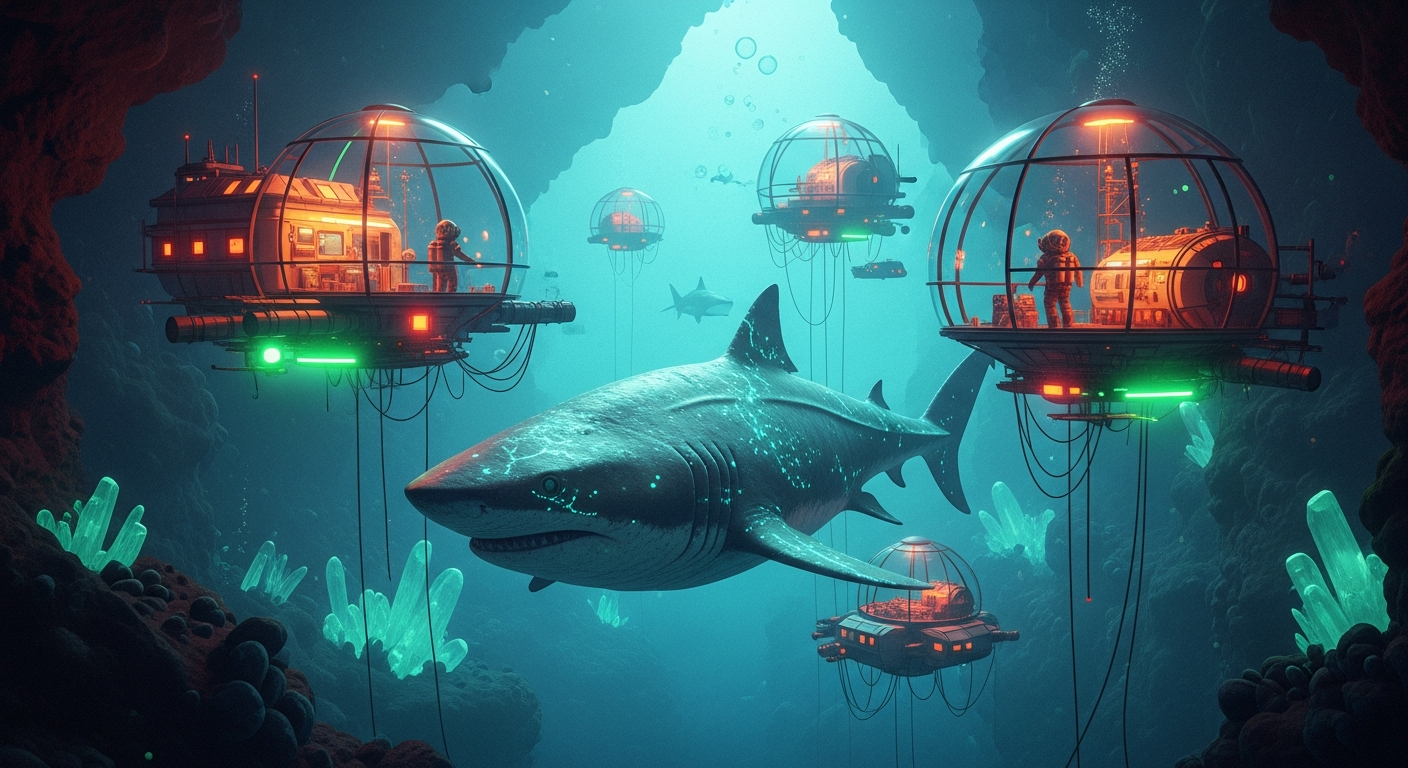
Beneath the freezing, lightless waters of the Arctic and North Atlantic Oceans lurks a creature that defies the standard biological limits of aging. The Greenland shark (Somniosus microcephalus) is a massive, slow-moving deep-sea predator that has silently glided through our oceans since the time of the Renaissance. Reaching lengths of over 5 meters (16 feet) and weighing up to a ton, this elusive apex predator holds a staggering biological record: it is the longest-living vertebrate known to science, boasting a lifespan that can exceed 400 years.

For decades, the lifespan of the Greenland shark remained one of marine biology’s greatest mysteries. Because they lack the hard, calcified tissues (like otoliths or fin spines) that scientists typically use to age fish, their extreme longevity was only a hypothesis based on their incredibly slow growth rate. Today, through cutting-edge biological dating techniques and genomic sequencing, researchers are finally unravelling the mechanisms behind this deep-sea predator’s astonishing longevity. Understanding the Greenland shark is not just an ecological fascination; it is a gateway to unlocking the universal secrets of senescence, cellular resilience, and anti-aging.

The Detailed Science of Longevity: How Do They Live So Long?

Radiocarbon Dating: Unlocking the Eye Lens Mystery

The breakthrough in determining the Greenland shark’s age came in 2016, led by marine biologist Julius Nielsen. Because traditional aging methods were useless on the shark’s cartilaginous skeleton, researchers turned to a highly unconventional biological time capsule: the shark’s eye lens.

The core of the Greenland shark’s eye lens is composed of inert proteins formed before birth, which remain metabolically inactive throughout the animal’s life. By applying radiocarbon dating to the eye lenses of 28 accidentally caught female sharks, scientists analyzed the levels of carbon-14. They looked specifically for the “bomb pulse”—a spike in carbon-14 isotopes caused by atmospheric thermonuclear weapons testing in the mid-1950s. The results were staggering. The largest sharks in the study had no trace of the bomb pulse, meaning they were well over 50 years old. Extrapolating the radiocarbon data against their size, scientists calculated that the largest female was approximately 392 years old, with a margin of error allowing for an age of up to 512 years. This officially dethroned the bowhead whale as the longest-living vertebrate.

Life in the Slow Lane: Extreme Cold and Sluggish Metabolism

The most prominent driver of the Greenland shark’s longevity is its incredibly slow metabolism, dictated by its frigid habitat. Living in waters that range from -1°C to 10°C (30°F to 50°F), the shark exists in a state of perpetual metabolic conservation.

  • Glacial Growth Rates: These sharks grow at an agonizingly slow rate of approximately 1 centimeter (0.4 inches) per year.
  • Slow Heartbeat: To conserve energy in the freezing depths, their resting heart rate is estimated to be as slow as one beat every 10 to 12 seconds.
  • Reduced Oxidative Stress: A slower metabolism means a lower rate of cellular respiration. In humans and other animals, cellular respiration naturally produces free radicals—unstable molecules that cause oxidative stress, damage DNA, and accelerate aging. The Greenland shark’s sluggish biological engine drastically limits this cellular wear-and-tear.

Cellular Resilience: DNA Repair and Genomic Stability

While a slow metabolism explains part of the enigma, it is not the whole story. Many cold-water species do not live for four centuries. Currently, molecular biologists are mapping the Greenland shark’s genome to find evidence of unique evolutionary adaptations related to DNA repair.

Early genomic studies suggest that the Greenland shark possesses highly efficient mechanisms for mitigating DNA damage. They have vast numbers of genes dedicated to fighting infections and preventing cancer (such as mutated p53 tumor-suppressor genes). Their cellular machinery is exceptionally adept at repairing mutated DNA strands, allowing them to remain healthy and stave off age-related diseases that would easily kill other vertebrates. Scientists are actively researching their telomeres—the protective caps at the ends of chromosomes—to see if they possess an inherent resistance to degradation over time.

Chemical Armor: TMAO and Deep-Sea Adaptation

Surviving under immense hydrostatic pressure and freezing temperatures requires powerful biochemical adaptations. The tissues of the Greenland shark are saturated with an organic compound called Trimethylamine N-oxide (TMAO).

TMAO acts as a natural biological antifreeze and a protein stabilizer. It prevents water molecules within the shark’s cells from forming ice crystals and protects vital cellular proteins from being crushed by the intense pressure of the deep sea (often plunging below 2,000 meters). Interestingly, this high concentration of TMAO makes the fresh meat of the Greenland shark highly toxic to humans, leading to severe intoxication if consumed raw. Only through months of fermenting and drying to create the traditional Icelandic dish hákarl does the meat become safe to eat.

Conclusion: What the Greenland Shark Teaches Humanity

The Greenland shark is a living testament to the extremes of biological endurance. However, this magnificent deep-sea predator is also an ecological time bomb. Because of their incredibly slow life cycle, female Greenland sharks do not reach sexual maturity until they are about 150 years old. This makes the species highly vulnerable to modern anthropogenic threats, such as commercial deep-sea fishing, accidental bycatch, and rapid climate change melting their Arctic habitat. A population decline today could take centuries to recover.

Studying the Greenland shark offers unprecedented insights into the science of extreme longevity. By decoding how this cold-water titan prevents cancer, repairs its DNA, and resists the decay of time, modern medicine may eventually discover new pathways to combat human aging and age-related diseases. The Greenland shark enigma reminds us that the ocean’s depths still hold secrets capable of rewriting our understanding of biology—secrets that will only survive if we commit to protecting these ancient sentinels of the deep.


Reader Comments

タイトルとURLをコピーしました