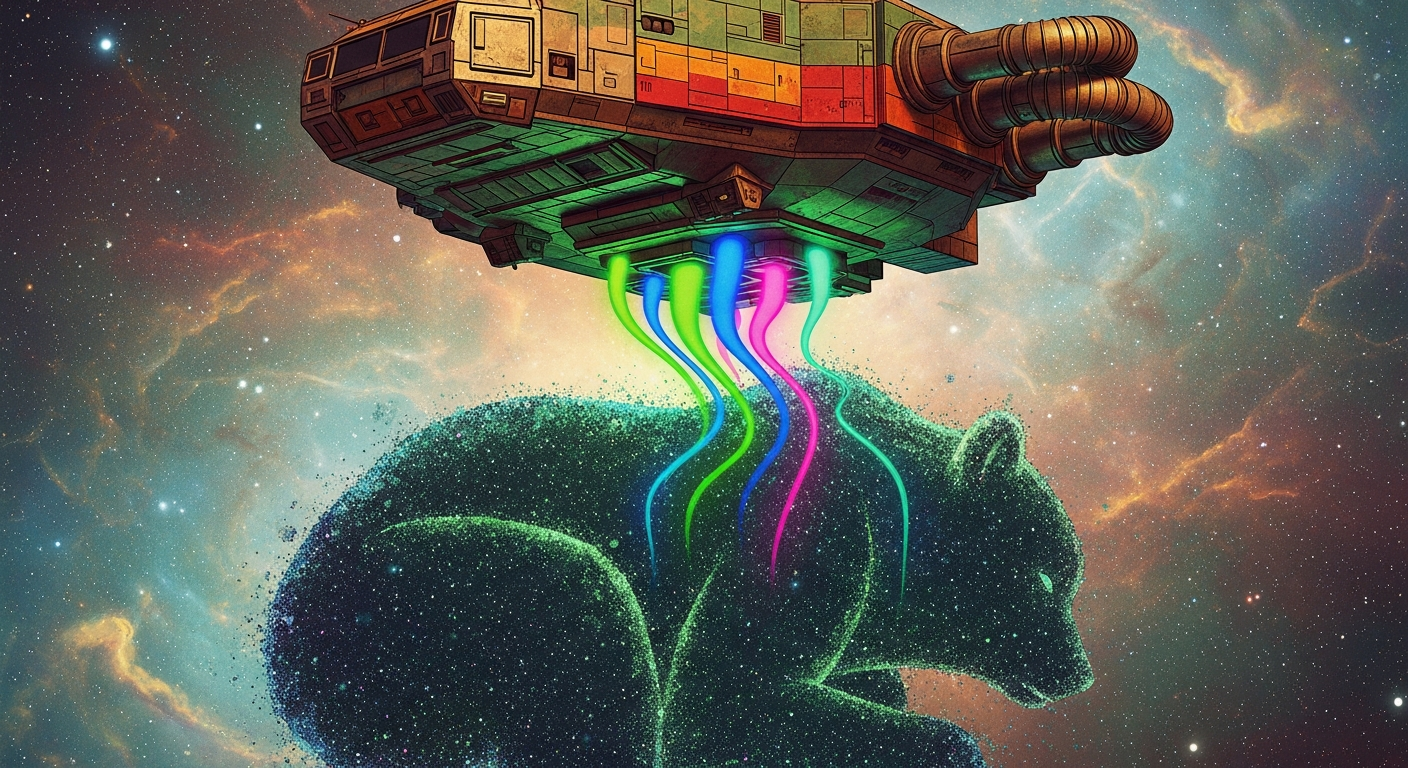
Can Astronauts Hibernate Like Bears on the Way to Mars? The Amazing Biology of Space Travel

Can Astronauts Hibernate Like Bears on the Way to Mars? The Amazing Biology of Space Travel Introduction: The Long Journey to the Red Planet Imagine packing for a road trip that takes nine whole months. Now, imagine that you cannot open the windows, you cannot stop for snacks, and you are stuck in a tiny room with your family the entire time. This is exactly what a mission to Mars will be like for future astronauts! Space travel takes a very long time, and the journey to the Red Planet is one of the greatest challenges in human history. Because of this, scientists at space agencies like NASA and the European Space Agency (ESA) are asking a fascinating question: Can astronauts hibernate like bears on the way to Mars? In science fiction movies, we often see space explorers climb into glowing pods, close their eyes, and wake up perfectly fine on another planet. But is this amazing biology actually possible in real life? Let's dive into the incredible science of space hibernation to find out! The Detailed Science: How Space Hibernation Works Why Do Astronauts Need to Sleep So Long? Before we talk about how humans could hibernate, we have to understand why. A spacecraft traveling to Mars needs to carry food, water, and oxygen for the astronauts. If the trip takes nine months there and nine months back, that is a massive amount of groceries! Space food and water are incredibly heavy, and heavy rockets require more fuel, which costs millions of dollars. If astronauts could hibernate—a process scientists call synthetic torpor—their bodies would switch into "low battery mode," just like a smartphone. They would need a lot less food, water, and oxygen. Plus, sleeping through the journey protects their mental health. There would be no boredom, no arguing over what game to play, and less stress from floating in deep space. The Bear Necessity: How Animal Torpor Works To figure out human hibernation, biologists are studying nature’s greatest sleepers: bears. During the winter, bears enter a deep sleep called torpor. When a bear is in torpor, something magical happens in its biology: Lower Metabolism: The bear's heart rate slows down, and its body temperature drops slightly. Its "engine" runs on minimum power. Zero Waste: The bear does not eat, drink, pee, or poop for months! Its body recycles waste to survive. Muscle Magic: If a human stayed in bed for six months, their muscles would shrink and their bones would get weak. But a bear wakes up in the spring strong and ready to go! Scientists want to copy this biological superpower for astronauts. If we can borrow the bear's secret, space travel would become much easier and safer. Human Hibernation: Is It Scientifically Possible? You might be wondering, "Humans aren't bears, so can we actually hibernate?" Surprisingly, the answer is yes! Doctors already use a form of hibernation in hospitals today. It is called therapeutic hypothermia. When a person has a severe brain injury or heart problem, doctors sometimes use special ice packs and cooling blankets to lower the patient's body temperature. By cooling the body down to about 89°F (32°C), the patient's metabolism slows down by 50-70%. This gives their brain and body a chance to rest and heal without needing a lot of energy or oxygen. Doctors can keep people safely in this cooled sleep for several days. For a mission to Mars, scientists want to safely extend this cooling period for several months. Astronauts would receive special medicines to stop their bodies from shivering, and they would be placed in special temperature-controlled sleeping pods. The Biggest Challenges for Space Snoozing Even though the biology is amazing, we still have a few big puzzles to solve before astronauts can sleep their way to Mars: 1. Feeding the Sleepers: Because humans cannot magically recycle waste like bears, sleeping astronauts would need essential nutrients fed directly into their bodies through an IV tube. Doctors would also use soft catheters to safely remove waste. 2. The Microgravity Problem: Floating in zero gravity causes human bones to lose calcium and muscles to shrink. To stop astronauts from waking up weak, their hibernation pods might need to spin gently to create artificial gravity, or special electrical pads could gently shock their muscles to give them a "workout" while they sleep! 3. Brain Health: Bears wake up completely refreshed, but when humans are put into deep sleep, it can mess with their memory. Scientists are studying how human brain waves work during torpor to make sure astronauts wake up sharp, happy, and ready to explore Mars. Conclusion: Waking Up in a New World The idea of astronauts hibernating like bears on the way to Mars is no longer just a crazy idea from science fiction movies—it is real, active space biology! By combining the secrets of nature with advanced medical science, human torpor could be the key to unlocking deep space travel. While there are still challenges to overcome, such as keeping muscles strong and providing nutrients, space agencies are making incredible progress. One day in the near future, brave explorers might wave goodbye to Earth, drift into a peaceful, freezing sleep, and finally open their eyes to the beautiful, red skies of a brand-new planet. The future of space travel isn't just about giant rockets; it is about the amazing biology hidden inside ourselves! biological

Can Astronauts Hibernate Like Bears on the Way to Mars? The Amazing Biology of Space Travel

Introduction: The Long Journey to the Red Planet

Imagine packing for a road trip that takes nine whole months. Now, imagine that you cannot open the windows, you cannot stop for snacks, and you are stuck in a tiny room with your family the entire time. This is exactly what a mission to Mars will be like for future astronauts! Space travel takes a very long time, and the journey to the Red Planet is one of the greatest challenges in human history.

Because of this, scientists at space agencies like NASA and the European Space Agency (ESA) are asking a fascinating question: Can astronauts hibernate like bears on the way to Mars? In science fiction movies, we often see space explorers climb into glowing pods, close their eyes, and wake up perfectly fine on another planet. But is this amazing biology actually possible in real life? Let’s dive into the incredible science of space hibernation to find out!

The Detailed Science: How Space Hibernation Works

Why Do Astronauts Need to Sleep So Long?

Before we talk about how humans could hibernate, we have to understand why. A spacecraft traveling to Mars needs to carry food, water, and oxygen for the astronauts. If the trip takes nine months there and nine months back, that is a massive amount of groceries! Space food and water are incredibly heavy, and heavy rockets require more fuel, which costs millions of dollars.

If astronauts could hibernate—a process scientists call synthetic torpor—their bodies would switch into “low battery mode,” just like a smartphone. They would need a lot less food, water, and oxygen. Plus, sleeping through the journey protects their mental health. There would be no boredom, no arguing over what game to play, and less stress from floating in deep space.

The Bear Necessity: How Animal Torpor Works

To figure out human hibernation, biologists are studying nature’s greatest sleepers: bears. During the winter, bears enter a deep sleep called torpor. When a bear is in torpor, something magical happens in its biology:

  • Lower Metabolism: The bear’s heart rate slows down, and its body temperature drops slightly. Its “engine” runs on minimum power.
  • Zero Waste: The bear does not eat, drink, pee, or poop for months! Its body recycles waste to survive.
  • Muscle Magic: If a human stayed in bed for six months, their muscles would shrink and their bones would get weak. But a bear wakes up in the spring strong and ready to go!

Scientists want to copy this biological superpower for astronauts. If we can borrow the bear’s secret, space travel would become much easier and safer.

Human Hibernation: Is It Scientifically Possible?

You might be wondering, “Humans aren’t bears, so can we actually hibernate?” Surprisingly, the answer is yes! Doctors already use a form of hibernation in hospitals today. It is called therapeutic hypothermia.

When a person has a severe brain injury or heart problem, doctors sometimes use special ice packs and cooling blankets to lower the patient’s body temperature. By cooling the body down to about 89°F (32°C), the patient’s metabolism slows down by 50-70%. This gives their brain and body a chance to rest and heal without needing a lot of energy or oxygen. Doctors can keep people safely in this cooled sleep for several days.

For a mission to Mars, scientists want to safely extend this cooling period for several months. Astronauts would receive special medicines to stop their bodies from shivering, and they would be placed in special temperature-controlled sleeping pods.

The Biggest Challenges for Space Snoozing

Even though the biology is amazing, we still have a few big puzzles to solve before astronauts can sleep their way to Mars:

1. Feeding the Sleepers: Because humans cannot magically recycle waste like bears, sleeping astronauts would need essential nutrients fed directly into their bodies through an IV tube. Doctors would also use soft catheters to safely remove waste.

2. The Microgravity Problem: Floating in zero gravity causes human bones to lose calcium and muscles to shrink. To stop astronauts from waking up weak, their hibernation pods might need to spin gently to create artificial gravity, or special electrical pads could gently shock their muscles to give them a “workout” while they sleep!

3. Brain Health: Bears wake up completely refreshed, but when humans are put into deep sleep, it can mess with their memory. Scientists are studying how human brain waves work during torpor to make sure astronauts wake up sharp, happy, and ready to explore Mars.

Conclusion: Waking Up in a New World

The idea of astronauts hibernating like bears on the way to Mars is no longer just a crazy idea from science fiction movies—it is real, active space biology! By combining the secrets of nature with advanced medical science, human torpor could be the key to unlocking deep space travel.

While there are still challenges to overcome, such as keeping muscles strong and providing nutrients, space agencies are making incredible progress. One day in the near future, brave explorers might wave goodbye to Earth, drift into a peaceful, freezing sleep, and finally open their eyes to the beautiful, red skies of a brand-new planet. The future of space travel isn’t just about giant rockets; it is about the amazing biology hidden inside ourselves!

Reader Comments

  1. Claudia350 より:
タイトルとURLをコピーしました