不老不死のクラゲ:永遠の命の生物学的秘密を解き明かす

Introduction: The Quest for Eternal Life and the Immortal Jellyfish For centuries, the concept of eternal life has been confined to the realms of mythology, alchemy, and science fiction. From the Fountain of Youth to the philosopher's stone, humanity has relentlessly pursued the secret to reversing the aging process. Yet, while human scientists spend billions on anti-aging research and regenerative medicine, nature has already solved the puzzle in the depths of our oceans. Enter Turritopsis dohrnii, widely known as the immortal jellyfish. Barely the size of a human pinky nail, this translucent, bell-shaped hydrozoan possesses an astonishing biological superpower: biological immortality. When faced with environmental stress, physical injury, starvation, or old age, Turritopsis dohrnii does not die. Instead, it hits a biological reset button, reverting its adult body back to its juvenile polyp stage to begin its life cycle all over again. By unlocking the biological secrets of this mesmerizing creature, scientists hope to revolutionize our understanding of aging, cellular senescence, and perhaps, eventually, human longevity. Detailed Scientific Explanation: Decoding Biological Immortality The Life Cycle: A Reversible Ontogeny To understand the sheer marvel of the immortal jellyfish, one must first understand the standard life cycle of a typical jellyfish (medusozoan). Most jellyfish follow a strict, one-way path of development: fertilized egg → planula (larva) → polyp (a stationary, plant-like stage attached to the seafloor) → ephyra → adult medusa. Once the adult medusa reproduces, it typically undergoes senescence (biological aging) and dies. Turritopsis dohrnii, however, treats this biological timeline as a suggestion rather than a rule. When an adult medusa is threatened by starvation, sudden temperature changes, or physical damage, it initiates a miraculous survival mechanism. It retracts its tentacles, shrinks its bell, and transforms into a specialized biological cyst. This cyst settles on the ocean floor and develops back into a polyp colony. This colony then buds off new, genetically identical medusae. It is the equivalent of a butterfly reverting into a caterpillar, or an elderly human turning back into an embryo. The Magic of Transdifferentiation The core mechanism driving this reverse aging process is a rare cellular phenomenon known as transdifferentiation. In humans and most other animals, cellular differentiation is typically a one-way street. A stem cell specializes into a muscle cell, a neuron, or a skin cell, and its fate is sealed. In the immortal jellyfish, mature, fully specialized cells can spontaneously change their identity. An outer bell cell can reprogram its genetic expression, reverting to a pluripotent state, and then differentiate into an entirely different type of cell—such as a nerve or muscle cell—required for the polyp stage. By recycling its existing cellular architecture, Turritopsis dohrnii entirely bypasses the traditional death phase, allowing for theoretically infinite lifespans as long as it isn't eaten by a predator or destroyed by disease. Genomic Secrets: DNA Repair and Telomere Maintenance The precise genetic triggers that allow for this cellular reprogramming remained largely a mystery until recently. In 2022, a groundbreaking study by researchers at the University of Oviedo mapped the complete genome of Turritopsis dohrnii and compared it to its mortal relative, Turritopsis rubra. The findings provided profound insights into the molecular secrets of eternal life. Enhanced DNA Repair Mechanisms: The immortal jellyfish possesses twice as many genes associated with DNA repair and protection compared to mortal jellyfish species. This allows them to effectively combat oxidative stress and genetic mutations that accumulate over time. Telomere Protection: Telomeres are the protective caps at the ends of chromosomes that shorten each time a cell divides; this shortening is a primary driver of human aging. Turritopsis dohrnii exhibits specialized genetic mutations that preserve telomere length, preventing cellular degradation. Stem Cell Renewal: Researchers identified unique pluripotency genes—the genetic codes responsible for maintaining stem-cell-like flexibility—that remain highly active in the adult medusa. When the jellyfish is stressed, these genes trigger the rapid production of proteins that initiate the transdifferentiation process. Implications for Regenerative Medicine and Human Longevity The study of Turritopsis dohrnii is not driven by a desire to turn humans into polyps, but rather to isolate the genetic pathways that govern cellular reprogramming. If scientists can understand exactly how the immortal jellyfish upregulates DNA repair genes and commands mature cells to transdifferentiate, the implications for regenerative medicine are staggering. Applying these principles to human biology could lead to therapies that repair damaged tissues, cure neurodegenerative diseases like Alzheimer's and Parkinson's by regenerating lost neurons, and halt the progression of age-related cellular decay. By mimicking the jellyfish’s ability to clear out damaged cellular material and replace it with fresh, rejuvenated cells, anti-aging research could shift from simply treating the symptoms of aging to curing aging at the foundational cellular level. Conclusion: What the Immortal Jellyfish Teaches Us Turritopsis dohrnii stands as a profound anomaly in the natural world—a creature that defies the universal law of mortality. Through the extraordinary processes of transdifferentiation, rigorous DNA repair, and telomere maintenance, the immortal jellyfish has mastered the art of cellular survival. It forces us to redefine the boundaries of biology and life itself. While the prospect of true human eternal life remains highly speculative and fraught with complex ethical and physiological challenges, the immortal jellyfish serves as an unparalleled biological blueprint. As science continues to unlock the genetic secrets of this tiny ocean dweller, we inch closer to a future where aging is no longer an inevitable decline, but a manageable condition. Ultimately, the greatest secret of eternal life may not be found in the stars, but hidden within the microscopic DNA of a jellyfish drifting silently through the deep blue sea. 一般

Introduction: The Quest for Eternal Life and the Immortal Jellyfish

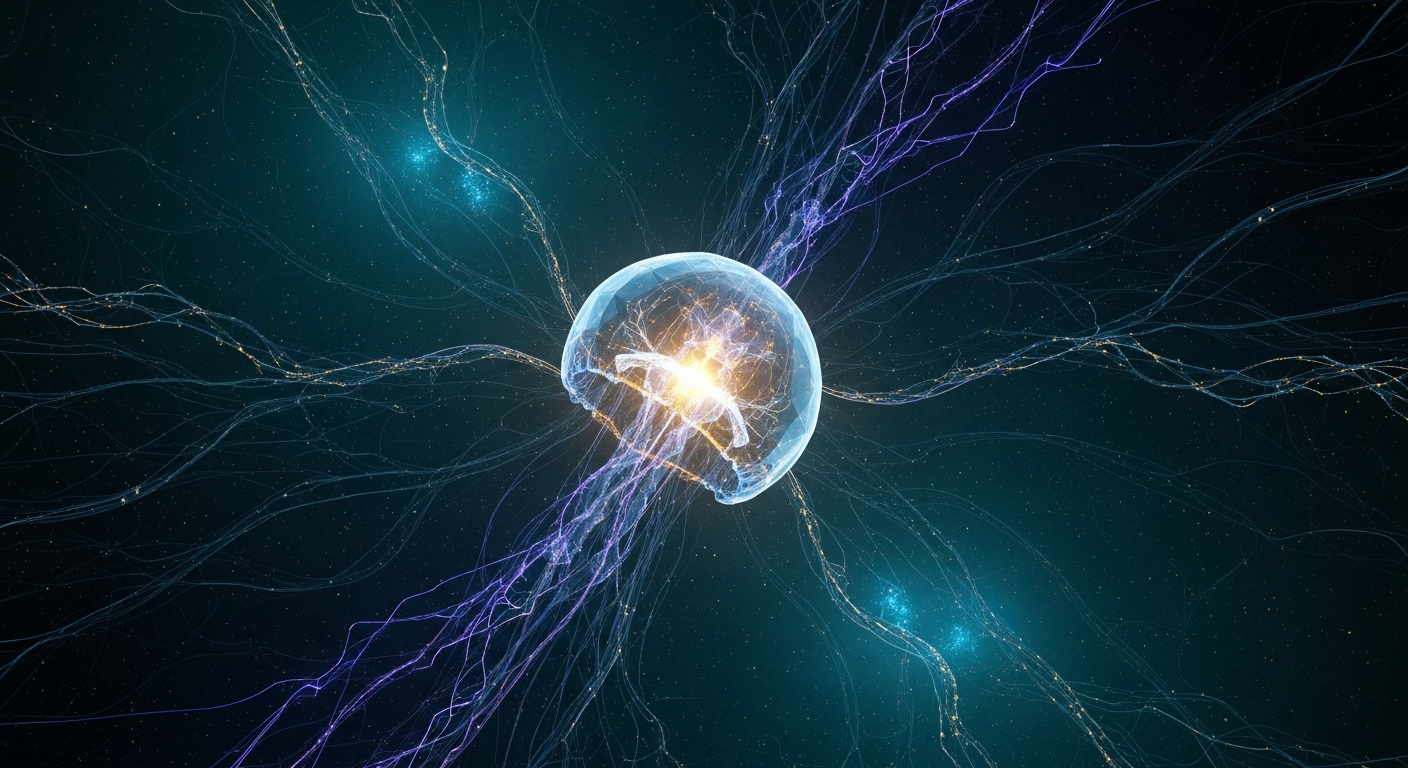
For centuries, the concept of eternal life has been confined to the realms of mythology, alchemy, and science fiction. From the Fountain of Youth to the philosopher’s stone, humanity has relentlessly pursued the secret to reversing the aging process. Yet, while human scientists spend billions on anti-aging research and regenerative medicine, nature has already solved the puzzle in the depths of our oceans. Enter Turritopsis dohrnii, widely known as the immortal jellyfish.

Barely the size of a human pinky nail, this translucent, bell-shaped hydrozoan possesses an astonishing biological superpower: biological immortality. When faced with environmental stress, physical injury, starvation, or old age, Turritopsis dohrnii does not die. Instead, it hits a biological reset button, reverting its adult body back to its juvenile polyp stage to begin its life cycle all over again. By unlocking the biological secrets of this mesmerizing creature, scientists hope to revolutionize our understanding of aging, cellular senescence, and perhaps, eventually, human longevity.

Detailed Scientific Explanation: Decoding Biological Immortality

The Life Cycle: A Reversible Ontogeny

To understand the sheer marvel of the immortal jellyfish, one must first understand the standard life cycle of a typical jellyfish (medusozoan). Most jellyfish follow a strict, one-way path of development: fertilized egg → planula (larva) → polyp (a stationary, plant-like stage attached to the seafloor) → ephyra → adult medusa. Once the adult medusa reproduces, it typically undergoes senescence (biological aging) and dies.

Turritopsis dohrnii, however, treats this biological timeline as a suggestion rather than a rule. When an adult medusa is threatened by starvation, sudden temperature changes, or physical damage, it initiates a miraculous survival mechanism. It retracts its tentacles, shrinks its bell, and transforms into a specialized biological cyst. This cyst settles on the ocean floor and develops back into a polyp colony. This colony then buds off new, genetically identical medusae. It is the equivalent of a butterfly reverting into a caterpillar, or an elderly human turning back into an embryo.

The Magic of Transdifferentiation

The core mechanism driving this reverse aging process is a rare cellular phenomenon known as transdifferentiation. In humans and most other animals, cellular differentiation is typically a one-way street. A stem cell specializes into a muscle cell, a neuron, or a skin cell, and its fate is sealed.

In the immortal jellyfish, mature, fully specialized cells can spontaneously change their identity. An outer bell cell can reprogram its genetic expression, reverting to a pluripotent state, and then differentiate into an entirely different type of cell—such as a nerve or muscle cell—required for the polyp stage. By recycling its existing cellular architecture, Turritopsis dohrnii entirely bypasses the traditional death phase, allowing for theoretically infinite lifespans as long as it isn’t eaten by a predator or destroyed by disease.

Genomic Secrets: DNA Repair and Telomere Maintenance

The precise genetic triggers that allow for this cellular reprogramming remained largely a mystery until recently. In 2022, a groundbreaking study by researchers at the University of Oviedo mapped the complete genome of Turritopsis dohrnii and compared it to its mortal relative, Turritopsis rubra. The findings provided profound insights into the molecular secrets of eternal life.

  • Enhanced DNA Repair Mechanisms: The immortal jellyfish possesses twice as many genes associated with DNA repair and protection compared to mortal jellyfish species. This allows them to effectively combat oxidative stress and genetic mutations that accumulate over time.
  • Telomere Protection: Telomeres are the protective caps at the ends of chromosomes that shorten each time a cell divides; this shortening is a primary driver of human aging. Turritopsis dohrnii exhibits specialized genetic mutations that preserve telomere length, preventing cellular degradation.
  • Stem Cell Renewal: Researchers identified unique pluripotency genes—the genetic codes responsible for maintaining stem-cell-like flexibility—that remain highly active in the adult medusa. When the jellyfish is stressed, these genes trigger the rapid production of proteins that initiate the transdifferentiation process.

Implications for Regenerative Medicine and Human Longevity

The study of Turritopsis dohrnii is not driven by a desire to turn humans into polyps, but rather to isolate the genetic pathways that govern cellular reprogramming. If scientists can understand exactly how the immortal jellyfish upregulates DNA repair genes and commands mature cells to transdifferentiate, the implications for regenerative medicine are staggering.

Applying these principles to human biology could lead to therapies that repair damaged tissues, cure neurodegenerative diseases like Alzheimer’s and Parkinson’s by regenerating lost neurons, and halt the progression of age-related cellular decay. By mimicking the jellyfish’s ability to clear out damaged cellular material and replace it with fresh, rejuvenated cells, anti-aging research could shift from simply treating the symptoms of aging to curing aging at the foundational cellular level.

Conclusion: What the Immortal Jellyfish Teaches Us

Turritopsis dohrnii stands as a profound anomaly in the natural world—a creature that defies the universal law of mortality. Through the extraordinary processes of transdifferentiation, rigorous DNA repair, and telomere maintenance, the immortal jellyfish has mastered the art of cellular survival. It forces us to redefine the boundaries of biology and life itself.

While the prospect of true human eternal life remains highly speculative and fraught with complex ethical and physiological challenges, the immortal jellyfish serves as an unparalleled biological blueprint. As science continues to unlock the genetic secrets of this tiny ocean dweller, we inch closer to a future where aging is no longer an inevitable decline, but a manageable condition. Ultimately, the greatest secret of eternal life may not be found in the stars, but hidden within the microscopic DNA of a jellyfish drifting silently through the deep blue sea.

Reader Comments

タイトルとURLをコピーしました