Can We Build a Mars Base Out of Mushrooms? The Weird Biology of Space Architecture

Can We Build a Mars Base Out of Mushrooms? The Weird Biology of Space Architecture Introduction: A Fungal Future on the Red Planet Imagine stepping out of your spaceship onto the dusty, red surface of Mars. You look away from the freezing desert landscape and turn toward your new home. But instead of a cold, metallic dome or a heavy concrete bunker, you are looking at a house grown entirely from mushrooms! It might sound like a wacky idea from a sci-fi cartoon, but building a Mars base out of mushrooms is a very real concept currently being studied by scientists at NASA. As humanity prepares to travel deeper into our solar system, the field of space architecture is facing a massive challenge: how do we build safe, sturdy homes on a planet that is 140 million miles away? The answer might not lie in steel or glass, but in the weird, wonderful biology of fungi. Welcome to the incredible world of myco-architecture—where we don't build our space habitats; we grow them. Detailed Scientific Explanation: The Magic of Space Mycology The Heavy Problem with Space Travel To understand why scientists want to build a mushroom house on Mars, we first have to understand the biggest rule of space travel: weight is everything. Rockets use a massive amount of fuel to escape Earth's gravity. Every extra pound of cargo—like bricks, steel, or wood—costs thousands of dollars to launch. If we wanted to build a traditional base on Mars, we would need a whole fleet of giant rockets just to carry the heavy building materials. That is simply too expensive and difficult. We need a building material that weighs almost nothing when we launch it from Earth, but can become huge and incredibly strong once it arrives on Mars. Nature has already invented the perfect solution. Meet the Hero: What is Mycelium? When you think of a mushroom, you probably picture the little umbrella-shaped cap popping out of the dirt. But that is just the "fruit" of the fungus. The real magic happens underground, in a hidden web of microscopic, white threads called mycelium. Mycelium is like the root system of a fungus. It acts as nature's ultimate glue. As these tiny threads grow, they reach out, grab onto dirt, wood, or plant matter, and bind it all tightly together. When grown inside a mold and dried out, mycelium becomes a solid block that is stronger than concrete, lighter than wood, and completely fire-resistant. It is essentially nature's very own 3D printer! Step-by-Step: How to Grow a Martian Home So, how exactly do we turn microscopic fungal threads into a safe Mars base? NASA's scientists have designed a genius, multi-layered plan that is easy enough for even a kid to understand, but brilliant enough to keep astronauts alive. Pack Light: Instead of heavy bricks, astronauts will pack a lightweight, folded-up plastic bag (like a giant balloon) holding dormant (sleeping) mushroom spores and dried food for the fungus. Inflate the Balloon: Once the astronauts land on Mars, they will unfold the giant bag and pump it full of Martian air. Just Add Water (and Algae): Inside the bag are different layers. The outer layer contains cyanobacteria (a type of algae that can use energy from the sun to make oxygen and food). The astronauts will add water to wake up the bacteria and the mushroom spores. Let it Grow: The cyanobacteria will use sunlight to grow and produce nutrients. The mycelium will eat those nutrients and rapidly stretch its tiny threads all throughout the bag, knitting together into a thick, solid wall. Bake to Finish: Once the mushroom house is the right size and shape, it is heated up. This bakes the mycelium, killing the fungus so it doesn’t accidentally spread and pollute the Martian environment. What is left is a super-strong, lightweight, and warm home! The Superpowers of Mushroom Architecture Why is a mycelium habitat so much better than a metal one? These fungal fortresses come with biological superpowers that are perfectly suited for the harsh environment of Mars: Radiation Shielding: Mars does not have a thick atmosphere or a magnetic field like Earth, meaning dangerous space radiation constantly hits the surface. Mycelium acts as an excellent, natural radiation shield, keeping the astronauts safe inside. Insulation: Mars is freezing, with temperatures dropping down to -225°F (-153°C). The thick, spongy walls of baked mycelium trap heat perfectly, acting like a giant, cozy winter coat for the whole base. Self-Repairing Potential: In some future designs, scientists imagine leaving a layer of the mycelium alive. If a micrometeorite hits the base and cracks the wall, the living fungus could potentially grow back and heal the crack all by itself! Conclusion: Growing Our Way to the Stars The concept of myco-architecture is completely changing the way we think about the future of space exploration. To survive and thrive on other planets, we cannot just rely on cold, heavy machines and traditional construction. Instead, we have to borrow the ancient, brilliant biology of our home planet. Building a Mars base out of mushrooms proves that the weirdest ideas are sometimes the most scientific. By partnering with nature and using the incredible building power of mycelium, we are one step closer to making humans a multi-planetary species. The next time you see a tiny mushroom growing in your backyard, treat it with respect—you might just be looking at the future of space architecture! biological

Can We Build a Mars Base Out of Mushrooms? The Weird Biology of Space Architecture

Introduction: A Fungal Future on the Red Planet

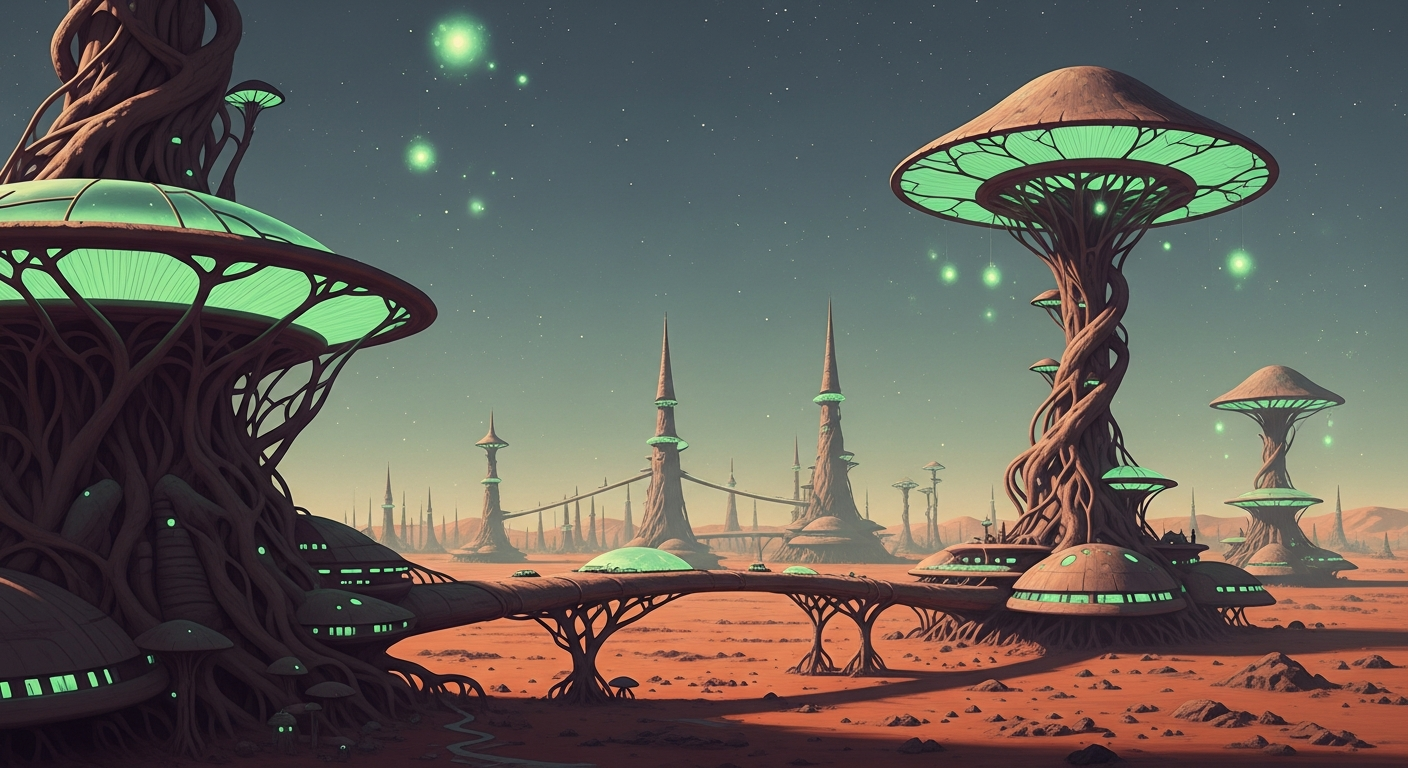
Imagine stepping out of your spaceship onto the dusty, red surface of Mars. You look away from the freezing desert landscape and turn toward your new home. But instead of a cold, metallic dome or a heavy concrete bunker, you are looking at a house grown entirely from mushrooms! It might sound like a wacky idea from a sci-fi cartoon, but building a Mars base out of mushrooms is a very real concept currently being studied by scientists at NASA.

As humanity prepares to travel deeper into our solar system, the field of space architecture is facing a massive challenge: how do we build safe, sturdy homes on a planet that is 140 million miles away? The answer might not lie in steel or glass, but in the weird, wonderful biology of fungi. Welcome to the incredible world of myco-architecture—where we don’t build our space habitats; we grow them.

Detailed Scientific Explanation: The Magic of Space Mycology

The Heavy Problem with Space Travel

To understand why scientists want to build a mushroom house on Mars, we first have to understand the biggest rule of space travel: weight is everything. Rockets use a massive amount of fuel to escape Earth’s gravity. Every extra pound of cargo—like bricks, steel, or wood—costs thousands of dollars to launch.

If we wanted to build a traditional base on Mars, we would need a whole fleet of giant rockets just to carry the heavy building materials. That is simply too expensive and difficult. We need a building material that weighs almost nothing when we launch it from Earth, but can become huge and incredibly strong once it arrives on Mars. Nature has already invented the perfect solution.

Meet the Hero: What is Mycelium?

When you think of a mushroom, you probably picture the little umbrella-shaped cap popping out of the dirt. But that is just the “fruit” of the fungus. The real magic happens underground, in a hidden web of microscopic, white threads called mycelium.

Mycelium is like the root system of a fungus. It acts as nature’s ultimate glue. As these tiny threads grow, they reach out, grab onto dirt, wood, or plant matter, and bind it all tightly together. When grown inside a mold and dried out, mycelium becomes a solid block that is stronger than concrete, lighter than wood, and completely fire-resistant. It is essentially nature’s very own 3D printer!

Step-by-Step: How to Grow a Martian Home

So, how exactly do we turn microscopic fungal threads into a safe Mars base? NASA’s scientists have designed a genius, multi-layered plan that is easy enough for even a kid to understand, but brilliant enough to keep astronauts alive.

  1. Pack Light: Instead of heavy bricks, astronauts will pack a lightweight, folded-up plastic bag (like a giant balloon) holding dormant (sleeping) mushroom spores and dried food for the fungus.
  2. Inflate the Balloon: Once the astronauts land on Mars, they will unfold the giant bag and pump it full of Martian air.
  3. Just Add Water (and Algae): Inside the bag are different layers. The outer layer contains cyanobacteria (a type of algae that can use energy from the sun to make oxygen and food). The astronauts will add water to wake up the bacteria and the mushroom spores.
  4. Let it Grow: The cyanobacteria will use sunlight to grow and produce nutrients. The mycelium will eat those nutrients and rapidly stretch its tiny threads all throughout the bag, knitting together into a thick, solid wall.
  5. Bake to Finish: Once the mushroom house is the right size and shape, it is heated up. This bakes the mycelium, killing the fungus so it doesn’t accidentally spread and pollute the Martian environment. What is left is a super-strong, lightweight, and warm home!

The Superpowers of Mushroom Architecture

Why is a mycelium habitat so much better than a metal one? These fungal fortresses come with biological superpowers that are perfectly suited for the harsh environment of Mars:

  • Radiation Shielding: Mars does not have a thick atmosphere or a magnetic field like Earth, meaning dangerous space radiation constantly hits the surface. Mycelium acts as an excellent, natural radiation shield, keeping the astronauts safe inside.
  • Insulation: Mars is freezing, with temperatures dropping down to -225°F (-153°C). The thick, spongy walls of baked mycelium trap heat perfectly, acting like a giant, cozy winter coat for the whole base.
  • Self-Repairing Potential: In some future designs, scientists imagine leaving a layer of the mycelium alive. If a micrometeorite hits the base and cracks the wall, the living fungus could potentially grow back and heal the crack all by itself!

Conclusion: Growing Our Way to the Stars

The concept of myco-architecture is completely changing the way we think about the future of space exploration. To survive and thrive on other planets, we cannot just rely on cold, heavy machines and traditional construction. Instead, we have to borrow the ancient, brilliant biology of our home planet.

Building a Mars base out of mushrooms proves that the weirdest ideas are sometimes the most scientific. By partnering with nature and using the incredible building power of mycelium, we are one step closer to making humans a multi-planetary species. The next time you see a tiny mushroom growing in your backyard, treat it with respect—you might just be looking at the future of space architecture!

Reader Comments

タイトルとURLをコピーしました